
Helping Children, Teens, Adults, Couples, and Families reach their full potential through healing and hope in League City, The Woodlands & Midland Texas
Viewing Life Through a Dopamine Lens: How “Future Me” Helps Me Make Better Choices
By: MaCae Bairett, MFT Student Intern
We live in a world wired for instant dopamine hits—from social media scrolls to Netflix binges—but those quick rewards often make everyday tasks feel even harder. Years ago, I discovered a simple mindset shift that changed everything: asking what “Future Me” will think about my choices right now. By viewing my habits through a dopamine lens, I’ve learned to tackle low-reward tasks first, save the highs for later, and train my brain to work with me instead of against me. Here’s how you can, too.
My Story
I have always loved reading books. Exploring another world and living others’ experiences through the pages has always brought me joy. I remember dressing up for the midnight releases of the Harry Potter books and movies (I dressed as Hermione below), pondering the dystopia of Uglies, Pretties, Specials, and wishing I could meet the magical creatures in Fablehaven.

My love of books has also gotten me into trouble. In school, I often put off homework in favor of reading, staying up too late—even reading in the classroom. I remember crying to my English teacher because my Twilight book had been taken away during a lecture. In college, I found myself once again reading instead of studying, despite knowing I needed to put the book down. Eventually, I made a personal rule: no pleasure reading while I was in school. It felt extreme, but I realized I had to voluntarily give up something I loved because it was negatively impacting me overall.
Then, in one college class, a video fundamentally changed how I understood my habits and dopamine, the brain chemical driving motivation.
What the Video Taught Me About Dopamine and Motivation
The video explained why it’s easy to spend hours playing video games or scrolling social media, but hard to focus on studying, exercising, or side projects—even when we logically know those activities will benefit us in the long run.

Dopamine isn’t simply a “pleasure molecule.” Instead, it drives desire and motivation. Neuroscience experiments with rats showed that when their dopamine reward systems were stimulated, they would press a lever repeatedly for hours, neglecting even basic needs. Conversely, when dopamine was blocked, rats lost all motivation—even to eat—though they still enjoyed food placed in their mouths.
Similarly, in humans, dopamine release depends on anticipated rewards. High-dopamine activities flood our brains with stimulation, raising our dopamine tolerance. As a result, low-dopamine tasks feel boring and difficult by comparison. Our brains crave constant stimulation, creating a cycle of craving and distraction.
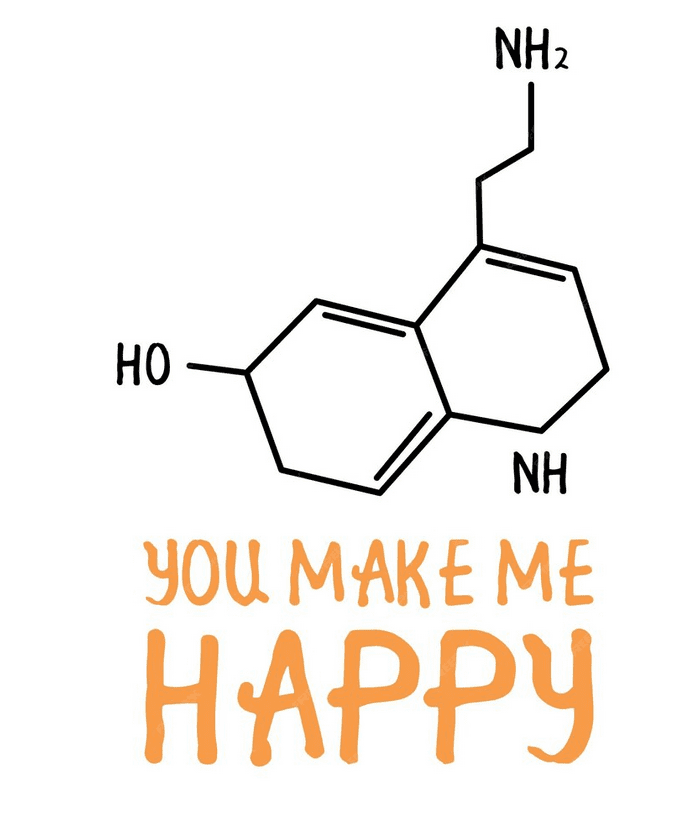
To break this cycle, the video introduced the idea of a dopamine detox: setting aside time—sometimes a whole day—to avoid high-stimulation activities like internet use, junk food, and gaming. The goal is to embrace boredom and let dopamine receptors recover. This resets our reward system, making everyday low-dopamine activities more engaging again.
The video’s creator also recommends a practical system: do difficult, low-dopamine tasks first, then reward yourself with high-dopamine activities afterward—never before. This “earn your reward” mindset builds motivation and balance.
How I Use a “Future Me” Dopamine Lens
Inspired by these insights, I started using a mental model I call the “Future Me / Now Me / Past Me” dopamine lens.
When I notice myself procrastinating—say, reading a book when the kitchen needs cleaning, putting off deep watering my plants,—I ask: What will Future Me think about Now Me’s choice? If I keep reading, I might enjoy the moment, but I’ll feel the burden of the undone chore hanging over me later. Plus, because reading is a high-dopamine activity, the lower-dopamine task of cleaning will feel even harder afterward.

Instead, I flip the order. I do the dishes first, then reward myself with reading. To make the chore more pleasant, I add music or a podcast to boost dopamine just enough to make it bearable. This dopamine stacking helps me get through the less rewarding task and enjoy my leisure guilt-free.
What Science Says About Dopamine and Motivation
Dopamine plays a central role in motivation, habit formation, and effort perception. Neuroscientific studies reveal that the brain processes immediate and delayed rewards through different neural systems (McClure et al., 2004). This explains why present gratification often trumps future benefits.
Research published in the Journal of Neuroscience (Wise, 2009) highlights dopamine’s role in learning and reinforcement—it literally shapes habits by rewarding behaviors in our neural pathways. High dopamine activities can create tolerance, making everyday pleasures feel dull.
Psychiatrist Dr. Anna Lembke notes that constant exposure to high dopamine stimuli (like social media or sugar) dysregulates our reward systems, reducing motivation for normal activities (Dopamine Nation). Awareness of this can help us intentionally balance dopamine highs and lows for healthier motivation.
How Therapy Can Support Dopamine Regulation
Therapy offers a supportive environment to:
- Identify dopamine-driven habits that interfere with goals
- Develop mindfulness to notice cravings without immediate reaction
- Practice metacognitive self-talk (“This is a dopamine craving; Future Me won’t thank me.”)
- Build structured, compassionate routines to improve impulse control, especially important for ADHD brains

Therapists help clients work with their brain’s wiring instead of fighting it—combining insight and kindness to create sustainable change.
Additional Practical Tips to Harness Dopamine
- Chunking & Micro-Tasks: Break chores into tiny steps, like “wash one plate,” to create small dopamine rewards and ease initiation.
- Temptation Bundling: Pair low-dopamine tasks with mildly enjoyable ones, such as listening to podcasts only during laundry.
- Precommitment: Set rules ahead, e.g., “No phone until the kitchen is clean,” reducing in-the-moment battles.
- Environmental Design: Remove or limit access to high-dopamine distractions during work time (put your phone in another room).
- Dopamine Stacking Awareness: Arrange your day to tackle low-dopamine tasks first, then enjoy high-dopamine rewards guilt-free.
Final Thoughts: Your Dopamine Lens Awaits
Our brains are naturally wired to seek dopamine—it’s how we stay motivated and achieve goals. But today’s world is flooded with instant, high-dopamine stimuli that can overwhelm our motivation for everyday tasks.
Using a “Future Me” mindset can give you a new kind of power: the ability to choose actions your future self will thank you for, rather than regret. Awareness of dopamine’s influence doesn’t erase temptation—but it lets you talk back to it, make deliberate choices, and gradually retrain your brain to find joy in what truly matters.
Try it out. Next time you’re tempted to procrastinate, ask: Will future Me smile, or sigh?
By MaCae Bairett, MFT Student Intern
Specializing in anxiety, ADHD, and the relational patterns that impact emotional well-being.