
Marriage Counseling in Midland, Texas: Strengthening Relationships Through Expert Guidance
Marriage can be one of life’s most rewarding partnerships, but like any relationship, it faces challenges that require attention and care. In Midland, Texas, marriage counseling has become a valuable resource for couples looking to rebuild trust, improve communication, and strengthen their bonds. As a licensed mental health therapist in Midland TX, I provide tailored counseling services to support couples through various stages of their relationship. Whether you’re facing conflicts, navigating life changes, or seeking a deeper connection, marriage counseling can offer tools and insights that empower both individuals and relationships.
We offer Marriage Counseling in Midland TX
Midland, Texas, known for its community-centered, offers a unique environment for relationships to thrive. However, stress from work, family, and societal pressures can affect even the most solid relationships. Marriage counseling offers a structured space to discuss these challenges openly and without judgment. Couples counseling provides professional guidance to help couples identify the underlying issues and develop skills to communicate more effectively.
Marriage counseling in Midland allows couples to benefit from professional expertise within their community. Seeking help close to home can make it easier to attend sessions consistently, integrate positive changes into daily life, and feel supported within a familiar environment. In addition, for those who may be hesitant, marriage counseling in Texas offers a welcoming space where you can explore relationship concerns without stigma.
What to Expect from Marriage Counseling
Marriage counseling, often called couples therapy, is a safe space where both partners can share their experiences, concerns, and feelings. The goal of marriage counseling isn’t to assign blame but rather to help both partners understand each other’s perspectives and work toward common goals. A mental health therapist guides the process, helping couples navigate challenging topics like:
- Communication Issues: Learning to express needs and listen effectively.
- Trust and Infidelity: Rebuilding trust and understanding.
- Life Transitions: Adapting to changes like moving, job loss, or having children.
- Conflict Resolution: Developing fair and constructive ways to handle disagreements.
In my practice, I emphasize a collaborative approach, working with each couple to identify patterns, uncover root causes, and develop solutions tailored to their unique dynamics. Whether you're just beginning to feel tension or are facing long-standing issues, couples counseling provides tools to transform your relationship.
Benefits of Marriage Counseling for Couples
Here in Texas, marriage counseling provides more than just a “fix” for relationships. It’s an opportunity for growth. Couples who seek counseling often find that they understand themselves better and gain insights into why they act and react in certain ways. This can be transformative, especially in a supportive, confidential setting.
Some key benefits of marriage counseling include:
- Improved Communication: Many couples struggle with communication issues. In therapy, they learn skills that help them talk openly without fear of judgment or retaliation.
- Enhanced Emotional Intimacy: By addressing underlying issues, couples often experience a stronger emotional bond.
- Resilience During Life Changes: Life transitions can test even strong relationships. Marriage counseling helps couples prepare for and adapt to these changes together.
- Greater Relationship Satisfaction: When couples learn to communicate and resolve conflicts, they often experience higher levels of satisfaction and connection.
Finding the Right Marriage Counselor in Midland, Texas
Choosing the right marriage counselor in Midland, Texas, is essential for effective therapy. It’s helpful to find a therapist with experience in marriage and family therapy and who understands the unique cultural aspects of Texas life. A counselor’s approach and philosophy should align with your values and goals as a couple. In my practice, I offer a welcoming, open environment where couples can feel safe to explore challenging topics.
When searching for a therapist, consider:
- Experience: Look for a licensed therapist with expertise in couples counseling.
- Approach: Find someone who uses evidence-based techniques, such as Cognitive Behavioral Therapy (CBT), Emotionally Focused Therapy (EFT), or the Gottman Method.
- Comfort: A good connection with your therapist is key. Feeling comfortable and respected can make a big difference in the success of therapy.
Is Marriage Counseling Right for You?
If you’re wondering whether marriage counseling is right for you, consider the following questions:
- Do you and your partner struggle with communication?
- Are there unresolved conflicts or ongoing issues in your relationship?
- Do you feel disconnected from your partner?
- Are you going through a significant life transition that’s impacting your relationship?
Marriage counseling can help address these and other challenges, offering new perspectives and strategies to strengthen your relationship. The decision to seek marriage counseling can feel intimidating, but many couples in Midland, Texas, find that it’s one of the best investments they make for their relationship.
How to Get Started with Marriage Counseling in Midland, Texas
Beginning marriage counseling is simple with Therapy for families- Midland location. Start by emailing us at therapyforfamiliestx@gmail.com or give us a call at 281-819-0308, we offer a free consultation call.
After this initial consultation, you and your therapist can outline a plan based on your unique situation. Therapy sessions typically involve both partners, though individual sessions may be beneficial in certain cases. Counseling can take place in person or online, depending on your preference and availability.
Building a Stronger Future Together
Marriage counseling in Midland, Texas, offers an invaluable opportunity for couples to build a stronger, more resilient relationship. By seeking professional guidance, you and your partner can work through challenges, improve communication, and rekindle emotional intimacy. As a mental health therapist, I’m committed to helping couples navigate the complexities of relationships in a compassionate, supportive environment. If you’re ready to invest in your relationship and create lasting positive change, marriage counseling can be an empowering first step.
If you’re in Midland or anywhere in Texas and are considering marriage counseling, reach out today. Let’s discuss how marriage counseling can benefit your relationship and support you on your journey toward a stronger partnership.
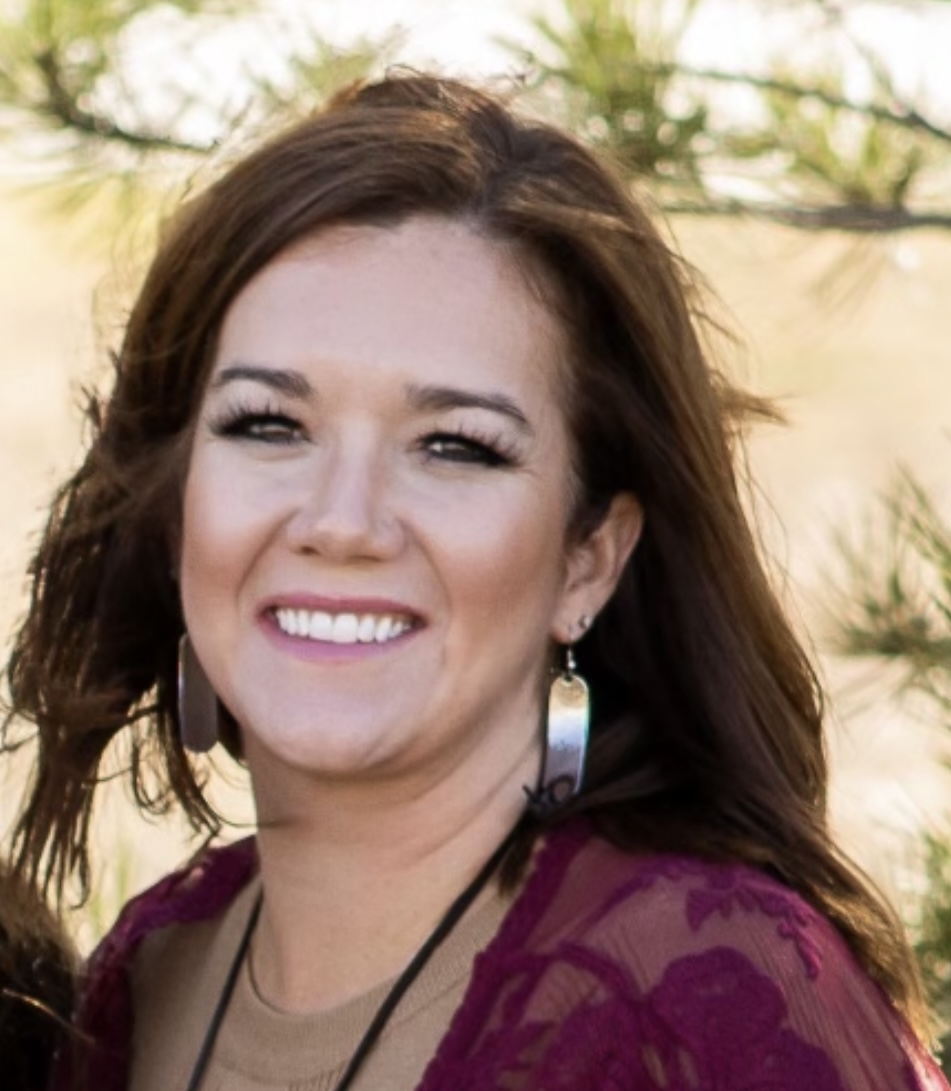
Meet Cassie our marriage Therapist in Midland Texas & check out our Midland Office for Therapy Services!
At Therapy for Families, we are dedicated to providing a comprehensive range of mental health services beyond Marriage counseling. Our Woodlands & Houston - League City clinic is a hub for various therapeutic interventions aimed at fostering holistic well-being. Explore our diverse services, including anxiety treatment, couples counseling, counseling for insomnia, teen therapy, and play therapy. Beyond that, our skilled counselors specialize in addressing an array of concerns such as stress, school issues, grief, self-esteem, impulse control, peer relationships, divorce, life transitions, parenting, behavioral issues, trauma counseling, anger management, ADHD, coping skills, social-emotional regulation, family conflict, sexual assault trauma, and domestic violence trauma. Visit our service pages Therapy for Families & ADHD & Neurofeedback Clinic to learn more about how we can support you on your unique journey to mental and emotional well-being.