Anger doesn't have to control you. Peace and healing are within reach.
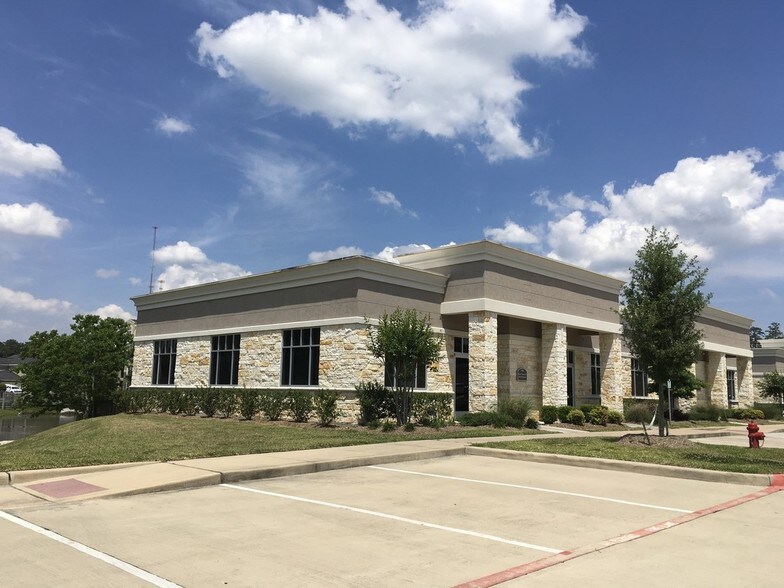
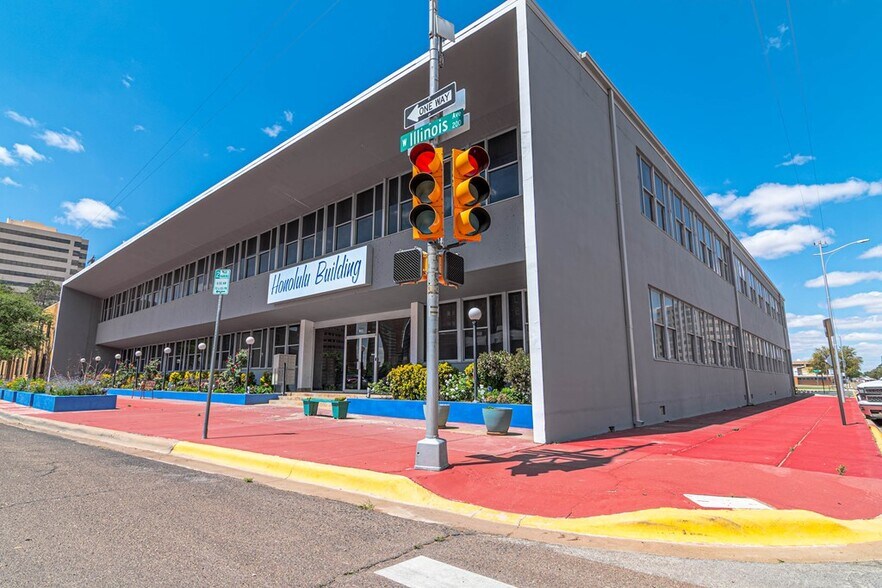
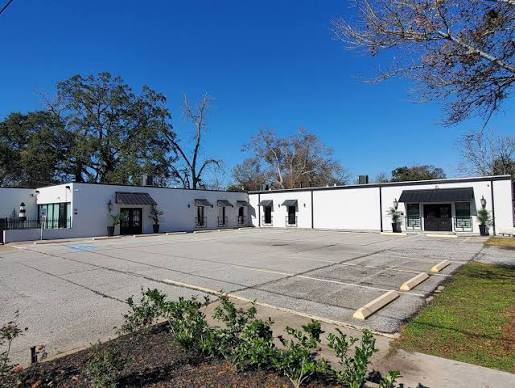
Available in-person in League City, The Woodlands, and Midland and virtually across Texas

Does your anger feel like it's running the show?
Maybe you've noticed yourself snapping at loved ones, feelings your chest tighten during a difficult conversation, or saying things in the heat of the moment that you later regret. Perhaps the smallest frustrations seems to ignite a firestorm inside, leaving you wondering, Why can't I just calm down? You are not alone. These experiences aren't signs of weakness or failure--they're your nervous system trying its best to cope with stress, hurt, or unmet needs.
We understand how exhausting it is to feel like anger is in the driver's seat of your life, and we're here to help you take the wheel. At Therapy for Families, we create a safe space to explore what's really driving your emotions. We can help you uncover the "why" behind the outbursts, frustration, and shutdowns. Together, we'll develop practical skills to help you stay grounded, regain control, and communicate in ways that strengthen your relationships instead of straining them. We know you're ready for a change, and we're here to help you find relief, understanding, and a way forward that truly works for you.
Calm your body and quiet your mind with Anger Control Therapy online or in-person in League City, The Woodlands, and Midland.
How can Anger Control Therapy benefit my life?

Improve Relationships
Learning to express your feelings with calm, thoughtful communication rather than lashing out or shutting down builds trust and safety in relationships.

Lower Stress and Improve Physical Health
Unregulated anger can take a serious toll on your body. Managing anger can reduce physical strain on your body, improve sleep quality, and reduce the risk of certain stress-related health conditions.

Improve Focus and Gain Greater Emotional Control
Being able to handle frustration constructively and regulate emotions helps keep your mind clear and able to stay on track with daily responsibilities, career goals, and personal priorities.

What does Anger Control therapy look like?
Relaxation and Mindfulness
Progressive muscle relaxation, deep breathing exercises, and visualization can all help calm your physiological fight-or-fight response when your body feels flooded.
Coping & Emotional Regulation Skills
Time outs and de-escalation techniques help slow rising tension and anger from building into a crisis or physical conflict. Calming your body restores a sense of control and improves safety and communication in interactions with others.
Communication Training and Problem Solving
Developing assertive communication rather than passive-aggressive or aggressive behavior. This includes active listening, "I" statements, and expressing needs without attacking or blaming others.
Cognitive Behavioral Therapy (CBT) & EMDR
Cognitive restructuring changes the thought patterns and beliefs that contribute to escalating thoughts and feelings of victimhood and powerlessness. If relational trauma, childhood abuse, or other attachment injuries fuel the anger, EMDR can help reprocess these painful memories and release their hold over you.
Signs of Unresolved Anger
Anger is a natural and normal response to emotional and environmental stimuli. It is part of the body's survival response and a way our brain communicates with our body when something feels wrong. Healthy anger is a constructive, controlled, and temporary emotional response that acts as an alarm system. Unhealthy anger is an impulsive, overwhelming, or suppressed reaction that disregards boundaries and causes harm.
CARDIOVASCULAR & RESPIRATORY SYMPTOMS
Intense anger episodes can cause an increased and rapid heart rate, fast and shallow breathing, and temperature changes (such as facial flushing and increased sweating).
COGNITIVE SYMPTOMS
Brain fog, dizziness, and cognitive overload during intense moments are direct results of your body's fight-or-flight response.
CHRONIC PAIN & FATIGUE
Muscle tension, frequent headaches, trouble sleeping, and digestive issues can alert your body to unresolved anger issues.
BEHAVIORAL & RELATIONSHIP SIGNS
Passive-aggressive patterns, sudden outbursts disproportionate to the moment, isolating from others or experiencing repeated friction at home or work.
ANGER DISORDERS
Underlying and chronically repressed anger or rage may lead to pathologically aggressive, violent, or self-destructive behaviors. Intermittent explosive disorder (IED) is one such impulse-control disorder characterized by sudden episodes of unwarranted anger.
EMOTIONAL SIGNS
Lingering resentment and grudges, chronic irritability, mood shifts or extreme apathy, or self-criticism and perfectionism.
Frequently Asked Questions
What are some healthy ways to express anger?
Healthy outlets include journaling, physical exercise, deep breathing, and assertive communication.
Can therapy help me identify triggers for my anger?
Yes, therapy helps uncover underlying triggers and develop strategies to manage them effectively.
What modalities are used for anger control?
DBT is commonly used for emotional regulation, while EMDR may address unresolved trauma that fuels anger.
Can anger control therapy improve relationships?
Yes, therapy teaches communication and conflict-resolution skills that positively impact relationships.
Is anger always unhealthy?
No, anger is a natural emotion, but therapy helps ensure it’s expressed constructively rather than destructively.
Meet Our Team
We provide Anger Control therapy services in League City, The Woodlands, and Midland, as well as online.




Call us in this number!



Book Anger Control Therapy in League City, The Woodlands, Midland, or online
Getting started isn't always easy...
Whether this is your first time trying therapy, or if you are interested in a new treatment approach, we know you may have questions for us.
We want you to feel comfortable and informed before beginning therapy, which is why we offer a free 15-minute consultation with us.
You will have the opportunity to ask questions, and find out more about services and what to expect.
ANGER CONTROL THERAPY: Restore Your Peace & Take Control of Your Emotions
Unresolved, unregulated anger destroys relationships, opportunities, mental and emotional well-being, and physical health. Take charge of your anger and learn how to heal and soothe your overburdened nervous system.
Contact Us!